
Food Testing
Food testing is mandatory before product launch, label approvals, and export shipments. Food safety is not a legal need; it is a fundamental trust between consumers and food business owners. Are you searching for NABL-accredited food testing labs in Chennai that guarantee accuracy? Tamilnadu Test House is one of the food testing labs in Chennai offering analytical services for raw materials, processed foods and finished products. Its food testing services include nutritional analysis, vitamin analysis, microbial analysis, contaminants and residues, allergens, authenticity testing, additives and food-contact material testing.
Why Food testing is important
Food testing is important for protecting public health and identifying harmful chemicals, contaminants, and allergens before food products reach store shelves. It also ensured regular compliance, avoiding widespread contamination and the spread of foodborne viruses.
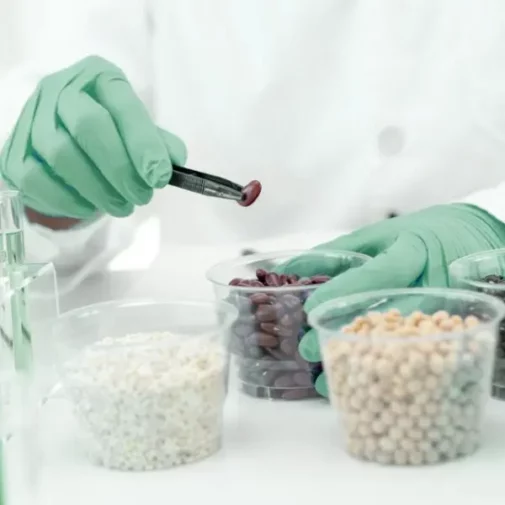
Tamilnadu Test House Private Limited offers wide range of Food testing services
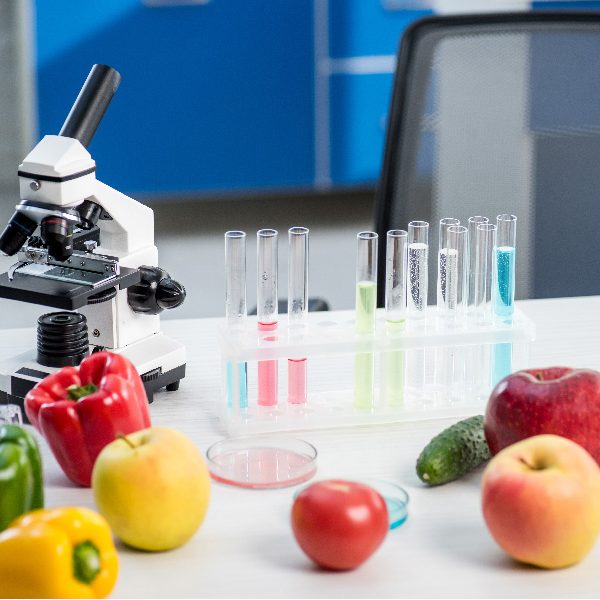
VITAMIN ANALYSIS
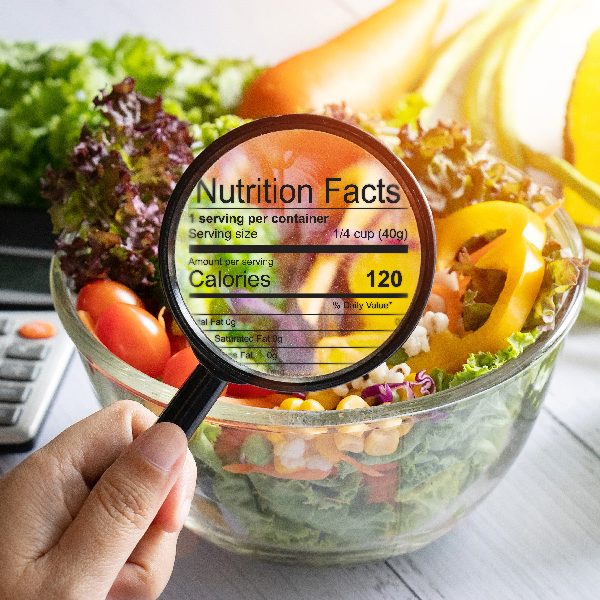
Nutritional Labeling
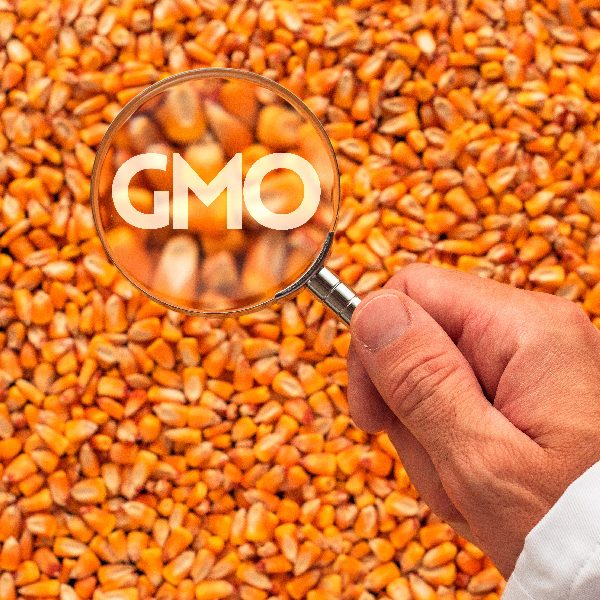
Quality Analysis

Contaminants and Residues
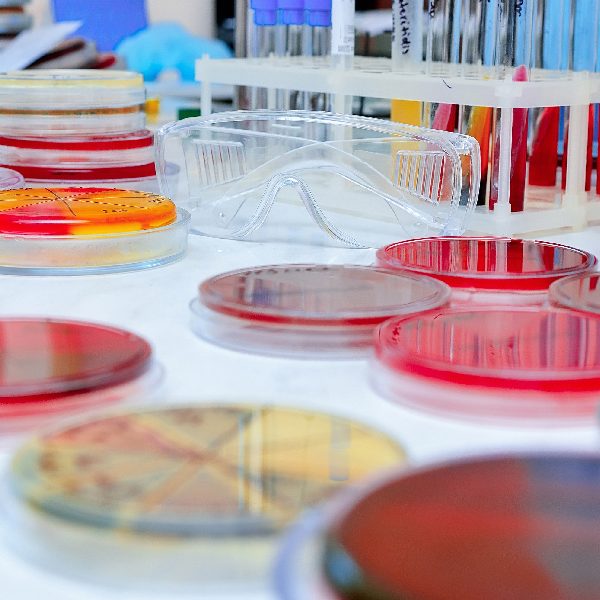
Microbial Analysis

Authenticity testing
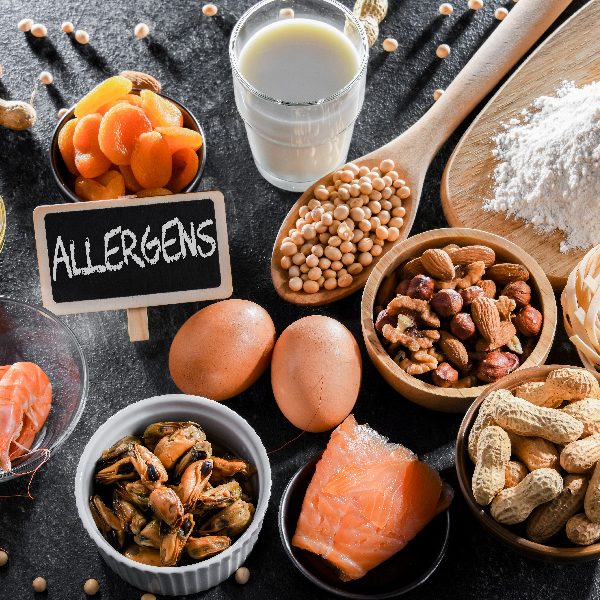
Allergen Control
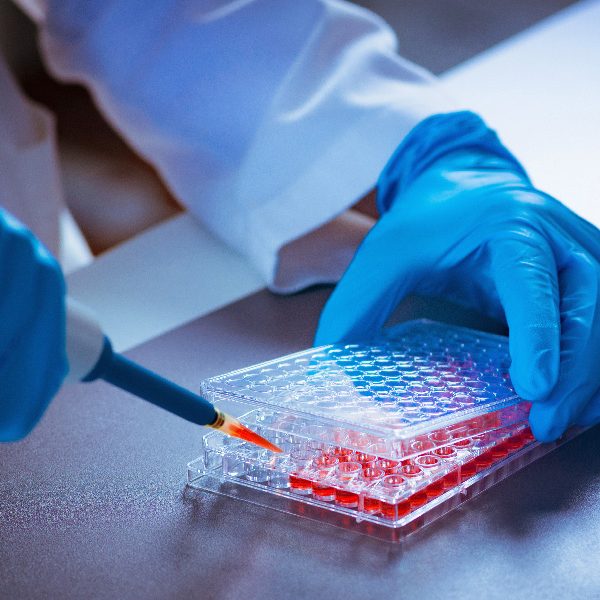
Food borne virus deduction
Ingredients and Additives

Flavor and Fragrance

Food Contact material
Vitamin Analysis
Purpose
It measures the amount of water-soluble (e.g., Vitamin C, B-complex) and fat-soluble (Vitamins A, D, E, K) present.
Common Techniques
- HPLC (High-Performance Liquid Chromatography)
- UV-Vis spectroscopy
- LC-MS/MS
Nutritional Labeling
Purpose
Verifies details on food labels for compliance with FSSAI regulations and export standards. It measures fats, proteins, carbohydrates, and calories.
Common Techniques
- Determination of water content
- Measurement of total protein content
- Total mineral content
- Fat content
- Measurement of soluble and insoluble fiber content
Quality Analysis
Purpose
It measures the physical, chemical, and sensory characteristics of food products to make sure of compliance and consumer satisfaction.
Common Techniques
- pH analysis
- Color analysis
- Moisture content
- Viscosity measurements
- Refractive index testing
Contaminants and Residues
Purpose
Detects harmful substances, pesticide residues, veterinary residues, environmental pollutants, and heavy metals that may constitute health issues.
Common Techniques
- GC-MS
- LC-MS/MS
- ICP-MS
- Atomic Absorption Spectroscopy (AAS)
- HPLC
Microbial Analysis
Purpose
It involves the biochemical, molecular, or microscopic testing of food and beverages to detect and quantify microorganisms that may affect food safety, quality, and shelf life.
Common Techniques
- Indicator microorganisms
- Pathogens and toxins
- Total plate count
- PCR
- ELFA
Authenticity Testing
Purpose
This testing ensures the food supply is free from fraudulent supplies and helps to protect the food brand image from mislabeling.
Common Techniques
- DNA-based testing
- LC-MS and GC-MS
- IRMS
- NMR
- Protein profiling
Allergen Control
Purpose
This testing detects allergenic substances in food products to ensure labeling compliance and to protect sensitive consumers.
Common Techniques
- LC-MS/MS Analysis
- PCR Detection of Allergens
- Lateral Flow Immunoassays
- ELISA
- GC/MS
Foodborne Virus Detection
Purpose
It identifies viral-like pathogens such as Norovirus/Hepatitis A in food matrices using advanced molecular techniques and biosensing technologies.
Common Techniques
- Advanced PCR method testing to detect foodborne viruses
Ingredients and Additives
Purpose
This test is to maintain food safety and to verify label claims such as no preservatives, natural flavors, and organic and to ensure regular compliance.
Common Techniques
- Chromatography (HPLC, GC)
- Spectroscopy (FTIR, UV-Vis)
- ICP-MS to measure heavy metals
Flavor and Fragrance
Purpose
Ensures quality of product, flavor compounds, aroma profiles, consistency, and regulatory compliance.
Common Techniques
- GC-MS Profiling
- Chemical Synthesis
- Extraction and Distillation
- Encapsulation
Food Contact Material
Introduction
Their primary role is to prevent food contamination, prolong shelf life, facilitate safe transport, and prevent hazardous chemicals from migrating into the food supply.
Common Techniques
- Polymer Extrusion and Injection Moulding
- Migration Testing
- Chromatography-Mass Spectrometry (GC-MS and ICP-MS)
Industries We Serve:
- Pharmaceutical
- Ayush testing
- Cosmetics and personal care products
- Agriculture and biotechnology
- Water and Environment
- Food manufacturing
Why Choose Tamilnadu Test House?
We provide fast, accurate, and regulatory-compliant food testing solutions using state-of-the-art technologies such as GC-MS and HPLC. Our team of qualified analysts and technical experts has vast experience in food testing.
Tamilnadu Test House is equipped with modern laboratory facilities and sophisticated analytical instruments, including GC-MS, LC-MS/MS, ICP-MS, HPLC, and FTIR.
Frequently Asked Questions
What food testing services are available in Chennai?
Tamilnadu Test House provides testing services for nutritional composition, vitamins, microbial quality, contaminants, residues, allergens, authenticity, ingredients, additives and food-contact materials. Testing requirements depend on the food product and the intended purpose.
How long does food testing take?
We at Tamilnadu Test House do regular testing, which is finished within 3 to 7 working days. We follow normal testing procedures and quality control in the lab. Fast Testing Services may be available for urgent testing needs within the scope of testing.
How do I choose a food testing lab in Chennai?
Choose a laboratory based on the required test, applicable method, product matrix, reporting requirement and accredited scope. Share the product details and testing objective before submitting samples.
What is food shelf life testing?
Food shelf life testing evaluates selected microbial, chemical and physical parameters over a defined period under specified storage conditions. The results help assess how the product changes during storage.
Can packaged and processed foods be tested?
Yes. Testing can be planned for raw materials, processed foods and finished packaged products according to the required parameters and applicable laboratory scope.
Share your food product details and testing requirements with our team. We will review your request and provide the relevant testing scope, sample requirements, expected turnaround time and quotation.