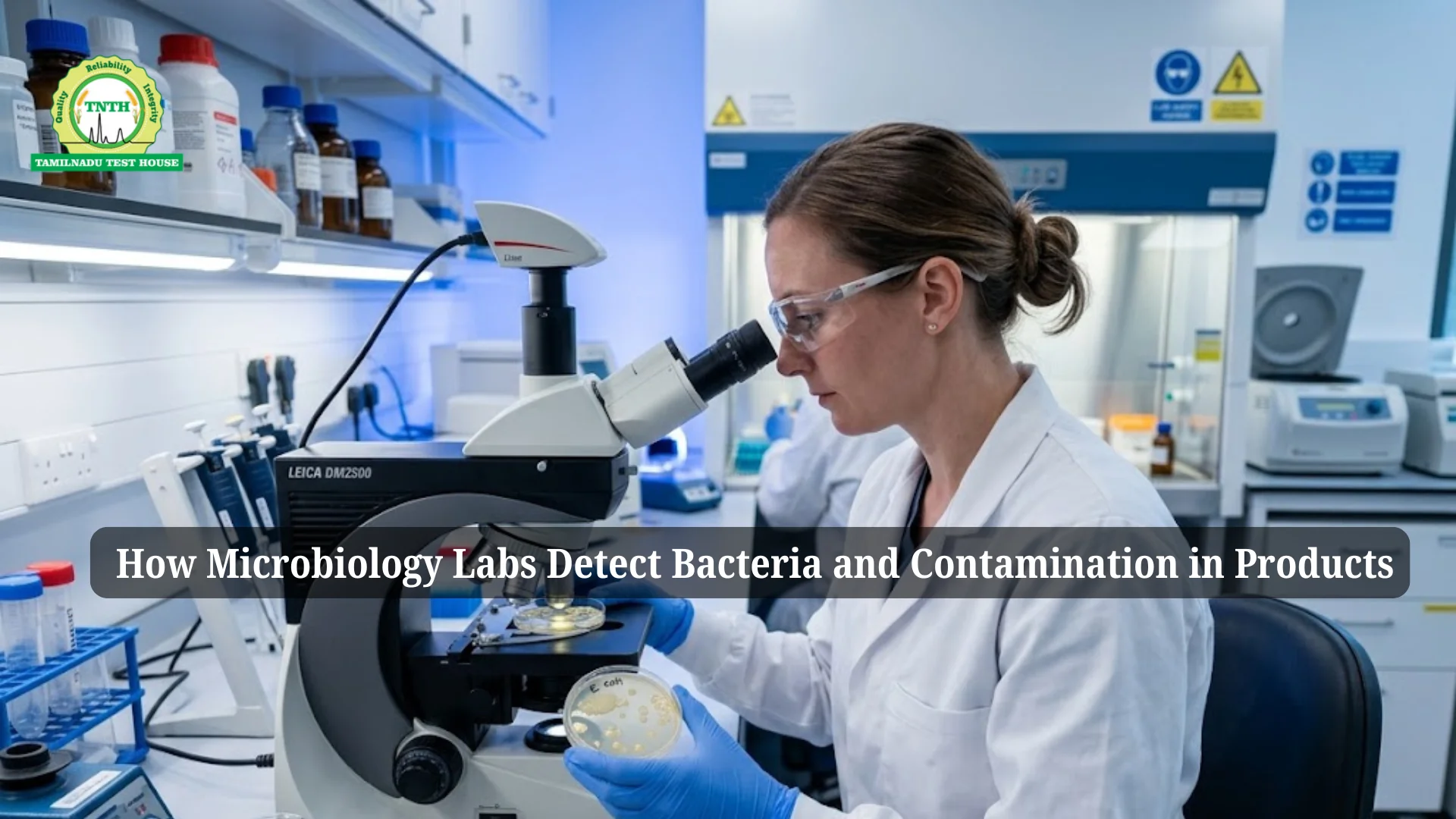
How Microbiology Labs Detect Bacteria and Contamination in Products
Microbiological testing services play a significant role in ensuring the quality and safety of the products that we use every day. These laboratories detect the presence of microbes and prevent potential health hazards before products even reach consumers.
By using advanced scientific methods and strict quality protocols, these labs identify contamination risks early—helping businesses prevent health hazards, product recalls, and compliance issues.
This blog addresses the detection of bacteria and contamination in products in microbiology laboratories, the nature of the tests, the industries that rely on such services, and the standards that ensure accuracy and reliability.
What is microbiological testing, and why is it important?
Microbiological testing involves collecting samples and examining them under controlled laboratory conditions to detect microbial contamination. These tests help determine whether a product is safe to distribute.
Microbe testing services are significant for industries because they:
- Detect harmful bacteria such as E. coli and Salmonella.
- Ensure product safety and shelf life.
- Avoid contamination in the manufacturing process.
- Maintain regulatory compliance
- Protect brand reputation
Without proper testing, even minor contamination can lead to serious health risks, costly recalls, and legal complications.
Learn more about our complete testing solutions through our microbiological testing services page .
Types of Microbiology Tests Done in Laboratories
A professional microbial testing lab offers a wide range of tests tailored to the product type and industry needs.
The most common tests are:
1. Total Viable Count (TVC)
This test is used to determine the total number of live microorganisms present in a sample. It gives an overall indication of microbial load.
2. Pathogen Testing
Pathogen testing is used to isolate specific disease-causing bacteria, such as Salmonella, Listeria, and Staphylococcus aureus.
3. Yeast and Mould Testing
This test is used to detect fungal contamination that may affect the quality and shelf life of products, particularly food and cosmetics.
4. Water Testing
Water used in the manufacturing process is checked to ensure it is not contaminated with microbes.
You can also explore our water testing services for detailed insights.
5. Sterility Testing
This test is common in the pharmaceutical industry and is used to ensure that products are free of microorganisms.
6. Environmental Monitoring
Testing of air, surfaces, and equipment in manufacturing units is also conducted in laboratories to ensure a hygienic environment.
Such tests are performed using advanced methods such as culture, microscopy, and molecular testing to obtain accurate results.
Industries That Require Microbial Testing Services
Microbiology testing is essential across multiple industries where safety and hygiene are critical.
A well-equipped laboratory in Chennai supports industries such as:
- Food & Beverage: Ensures products are safe for consumption
- Pharmaceuticals: Confirms sterility and product safety
- Cosmetics: Prevents contamination in creams and personal care products
- Water & Environment: Verifies the safety of drinking and industrial water
- Healthcare: Maintains hygiene in hospitals and diagnostic centers
For example, food manufacturers rely on testing to meet safety standards, while pharmaceutical companies depend on sterility testing to protect patient health.
Explore industry-specific solutions on our testing services page .
Standards Followed in Microbiology Testing
To maintain accuracy and reliability, all microbial testing laboratories are subject to stringent national and international standards.
The most important regulatory authorities are:
- FSSAI (Food Safety and Standards Authority of India): Ensures food safety and hygiene
- ISO (International Organization for Standardization): Defines global quality standards
- NABL (National Accreditation Board for Testing and Calibration Laboratories): Certifies technical competence of labs in India
Working with an accredited laboratory ensures that testing processes are reliable, standardized, and globally accepted.
Know more about our certifications on the NABL-accredited lab page .
How to Choose a Reliable Microbiology Testing Lab
Choosing the right laboratory is important for obtaining accurate and reliable results.
In selecting a microbiology testing laboratory, consider the factors given as follows:
- Accreditation (NABL, ISO certification)
- Knowledge and expertise in microbiological tests.
- Access to the latest technology and equipment.
- Range of testing services offered
- Results turnaround time.
- Transparent reporting and customer service.
At Tamilnadu Test House, we follow stringent testing protocols to conduct microbiological testing for the industry. Our fast turnaround time and accurate test results make us one of the city’s reputed testing labs.
Frequently Asked Questions
What is microbiological testing?
Microbiological testing is the process of examining samples to identify microorganisms such as bacteria, fungi, and viruses and to ascertain the safety and quality of products.
Which industries require microbiology testing services?
Food and beverage, pharmaceutical, cosmetic, healthcare, and water treatment industries use microbiological testing services to ensure high standards of hygiene and safety.
Why is microbiological testing important for product quality?
Microbiological testing provides aid in detecting contamination, maintaining compliance with regulations, preventing health hazards, and ensuring the overall quality and shelf life of the products.