Precious Metal Analysis: Composition, Purity and Method Selection
Compliance checks of precious metals with NABL testing labs in Chennai not only enhance your credibility with customers but also give you an assurance of 100% purity and satisfaction. Often, precious metals are amalgamated with alloys, thus hampering their purity and composition. At Tamil Nadu Test House, we follow the below-mentioned tests, among others, to guarantee your precious metals.
Scratch and acid test
Precious metals do not react to pure nitric acid but will react to aqua regia, a mixture of nitric acid and hydrochloric acid. This property of the precious metals makes the base for acid tests. In this test, a touchstone is used to scratch a piece of precious metal, followed by pouring various acids to determine the karat value. One major drawback of this test is that hazardous acids can burn one’s fingers, and one must be extremely cautious while carrying out this test.
Fire Assay
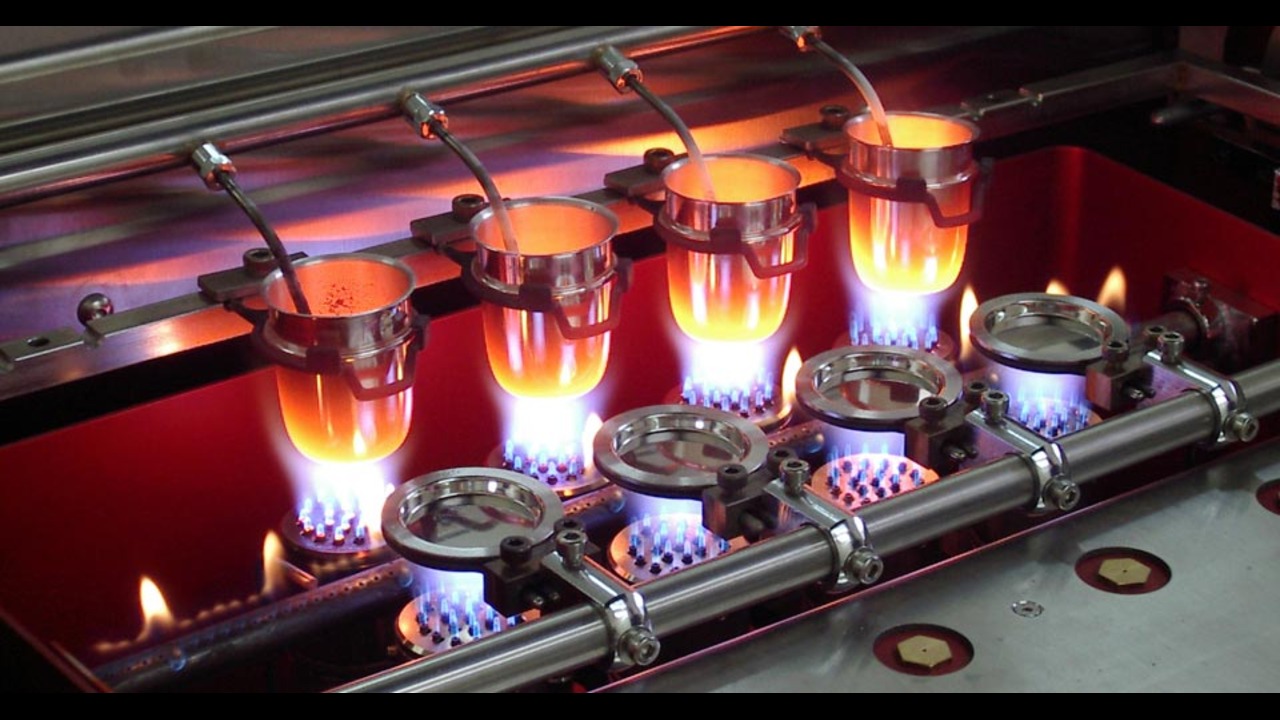
Also known as Cupellation, Fire Assay is the most popular and accurate gold test method followed by NABL testing labs in Chennai. As it is a destructive test, first the scientists heat a sample of gold with a flux followed by separating the gold from other metals. The remaining sample is then analyzed to determine the purity of gold.
Torch test
This test is exclusively used to test the purity of platinum. A small silver piece of metal is subjected to an intense, hot flame. If the metal takes the shape of a ball, it is not platinum. As platinum has a high melting point, the original will show no change in shape and will begin to glow red-hot.
XRF test
The majority of the Gold and silver testing labs in Chennai rely on this method for fast and accurate delivery of metal testing results. The latest XRF analyzers can identify alloys of nearly the same composition and give precise test results. Though this method is less accurate than the Fire Assay method, XRF is popular among the testing labs owing to its speed and non-destructive behaviour.
Some of the other commonly used tests are:
Heft test
This test utilizes the metal’s specific gravity to determine its purity. If the metal feels light upon tossing it on the palm of your hand, it is unlikely to be made of precious metal.
Colour test
Often, plated gold pieces have patches where the colour may appear blurry and the base metal is exposed.
Magnetism test
While precious metals are not magnetic, plated metals tend to get attracted to a strong magnet. As the leading NABL testing labs in Chennai, we take charge of your precious metals and provide you with the true transactional value of each piece. For more information on metal testing, give us a call today.
FAQ’s
1.What does precious metal analysis measure?
Precious metal analysis investigates the composition of a submitted sample, including target precious metals and relevant alloying elements. The method must suit the material, concentration range and required decision.
2.How should a suitable method be selected?
Provide the material type, target elements, expected composition and purpose of analysis. Sampling and preparation matter because a coating or non-uniform object may not represent the composition of the entire item.
3.Does a test guarantee 100% purity?
No. A report describes results for the sample and method used, subject to its reporting capability and limitations. Purity claims should be supported by the actual results rather than a general guarantee. For broader guidance on selecting tests, read about materials testing.
4.Is laboratory analysis the same as hallmarking?
Composition testing and hallmarking should not be treated as interchangeable. Confirm the specific service and applicable requirements if your objective involves a formal hallmark or certification.