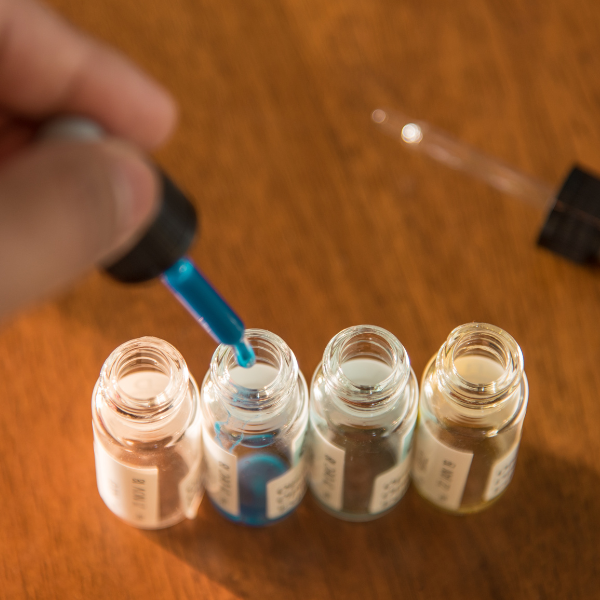
Microbiology testing is a key factor of cosmetic products safety and quality. TNTH test the Raw materials as well the formulated cosmetic products to ensure the quality before usage as per IS 14648:2011, titled “Microbiological Examination of Cosmetics and Cosmetic Raw Materials — Methods of Test,” and BIS standards. Additionally, BIS has set specifications for various cosmetic products, such as skin creams under IS 6608:2004, which include requirements for microbial limits to ensure product safety.
Microbiology
- IS 6608:2004 (Skin Creams): Specifies microbiological requirements for skin creams.
- IS 7679:1975 (Hair Creams): Includes microbiological criteria for hair products.
- IS 3958:2004 (Shampoos): Details microbial testing and limits for shampoo products.
- ISO 18415: Specified and non-specified microorganisms.
- ISO 18416: Candida albicans.
- ISO 22718: Staphylococcus aureus.
- ISO 21150: Escherichia coli.
- ISO 22717: Pseudomonas aeruginosa.
- ISO 16212: Enumeration of yeast and mould.
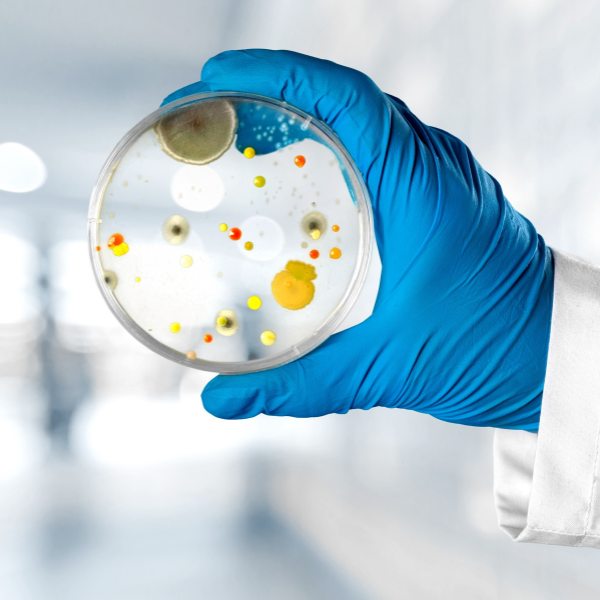
Why Cosmetic Microbiology Testing Is Essential for Product Safety
The safety of the product is a concern for both manufacturers and customers due to the direct use of cosmetic items to the skin, hair, face and body. Cosmetics may appear clean and stable but might potentially foster microbial development if ingredients, production processes, water quality, packaging or storage are not strictly managed.
This is why cosmetic microbiology testing is so vital to the assessment of the microbiological quality of personal care and cosmetic products.
Microbiological testing can assist firms in detecting undesirable bacteria and evaluating if a product meets applicable microbiological quality requirements. ISO 17516 provides an international framework for assessing the microbiological quality of cosmetics, including microbiological limitations.
What Is Cosmetic Microbiology Testing?
Tamilnadu Test House provides cosmetic testing services to evaluate the microbiological safety and quality of personal care products.
The goal is to assess whether the cosmetic sample is contaminated by any microbes that may influence product quality or consumer safety.
Depending on the product and testing objective, microbiological examination may involve testing for:
- Total aerobic microbial count (TAMC)
- Total yeast and mould count
- Specified bacterium
- Additional microorganisms of interest
- Microbiological contamination indicators
The necessary tests will depend on the type of product, the formulation, the intended application, and the applicable requirements.
Why Is Microbiological Testing Important for Cosmetics?
Water, botanical compounds, proteins, oils or other elements in cosmetic products might influence microbial growth. Contamination can occur during handling of raw materials, manufacture, filling, packing, transportation or storage.
Microbiological testing can enable producers to:
- Look for probable microbiological contamination.
- Assess the microbiological quality of completed products
- Product quality control support
- Study pollution issues
- Check production controls.
- Support the development of products
- Ensure constant product quality
A good testing technique is especially critical for items with a potentially higher risk of microbial contamination.
Cosmetic Products That Can Be Tested Include
Cosmetic microbial testing can be relevant to a broad spectrum of personal care items.
Examples are:
- Face creams and moisturisers
- Lotions
- Shampoos
- Conditioners
- Hair Care Products
- Shower gel
- Liquid soap
- Gels
- Cleansing your face
- Sunscreen products
- Beauty products
- Baby care products –
- Herbal and botanical cosmetics
Each formulation has various microbiological characteristics, and the approach to testing should be chosen according to the product.
Microbial Contamination in Cosmetics: Factors Responsible for It
Microbial contamination testing can happen at many different stages of the product lifecycle.
01
Materials
Contaminated or poorly managed raw materials can carry microorganisms directly into the formulation.
02
Water
Used in most formulations — poor water-quality control is one of the most common routes to microbial contamination.
03
Production Environment
Equipment, surfaces, personnel, air and manufacturing methods all shape the microbiological quality of the product.
04
Packaging
Improper filling or packaging can introduce germs into an otherwise well-controlled product.
05
Storage
Temperature, humidity, handling and storage time all influence microbial growth and overall product quality over time.
Thus, microbiological quality has to be tackled throughout the production process and not simply after the final product has been generated.
How Is Cosmetic Microbiology Testing Conducted?
The routine technique of microbial testing for cosmetics involves reception of the sample, preparation, microbiological examination, incubation or other relevant analytical methods and evaluation of results.
Laboratory procedures vary depending on the test and product matrix.
A typical workflow might be:
Sample collection → Sample preparation → Microbiological testing → Incubation/analysis → Microbial enumeration or identification → Results reporting
Sample management is critical. Contamination introduced during sampling or sample preparation can alter the analytical results.
What Is the Difference Between Microbial Enumeration and Microbial Identification?
Microbial count testing identifies the number of microorganisms present in a product or sample.
Microbial identification is the identification of particular microorganisms when the presence of such microorganisms is suspected or has to be investigated.
Both are capable of offering useful information, but they are addressing distinct questions.
For example, a company may want to know the total microbial load of a cosmetic product, or whether a specific bacterium is present.
Do Preservatives Work? Is There a Link With Cosmetic Microbiology?
Yes. Preservation is a key factor for many cosmetic formulations, especially for cosmetics containing water or other materials that can encourage the growth of microbes.
Challenge testing or preservative efficacy testing assesses the ability of the preservation system to inhibit microbiological growth under specified test conditions.
This is not the same as standard microbiological QC. Microbiological limitations determine the microbiological quality of the product, and preservation-related testing determines the effectiveness of the preservation system of the product.
ISO/TR 19838 offers recommendations for the application of the ISO cosmetic microbiological standards depending on the goal of the testing and the product tested.
Timing of Microbiology Testing by Cosmetic Manufacturers
Testing can be considered at several stages of product development and manufacturing such as:
- Product Development New
- Finished Goods Quality Control
- Production investigations
- appraisal of raw-material
- Changes of formulation
- Changes in how production is done
- Changes to suppliers
- Stability or quality studies
- Customer or regulatory need
The frequency and extent of testing should be decided by the product, manufacturing controls, risk profile, and applicable requirements.
How to Choose a Cosmetic Microbiology Testing Laboratory
Selection of a good laboratory is vital for the microbiological quality assessment of cosmetics.
Manufacturers should take into account the laboratory’s:
- Microbiological test capability
- Knowledge of personal care and beauty items
- Sample handling protocols
- Analytical techniques
- Quality control processes
- Reporting features
- Knowledge of the relevant microbiological standards
A laboratory with the right experience can assist producers in selecting relevant tests based on the product and the testing purpose.
FAQ (Frequently Asked Questions)
1. Cosmetic Microbiological Testing Includes
Cosmetic microbiology testing is laboratory testing carried out to determine the microbiological quality of cosmetic and personal care products and to identify certain specific bacteria as applicable.
2. Microbiology Testing Is Crucial for Cosmetics for the Following Reasons
It helps manufacturers detect microbial contamination and assess the microbiological quality of cosmetic items against microbiological standards.
3. Which Cosmetics Have to Undergo Microbiological Testing?
Depending on the formulation and risk profile, creams, lotions, shampoos, gels, liquid products, sunscreens, makeup, baby-care products and other personal care items may require microbiological assessment.
4. Are Cosmetic Goods Checked for Germs, Yeast and Mould?
Yes. Depending on the product and applicable method, microbiological testing may include evaluation of aerobic microbial counts, yeast and mould and specific microorganisms.
5. What Is the Standard for Cosmetic Microbiological Limits?
ISO 17516 is the worldwide standard for microbiological limits for cosmetics. ISO describes ISO/FDIS 17516 as a final draft to supersede ISO 17516:2014 as of 2026.
Microbiological Testing in Cosmetics
Appropriate microbiological testing can offer cosmetic and personal care firms important information regarding product quality and potential contamination issues.
Tamilnadu Test House offers microbiological testing services for personal care and cosmetic items. We assist manufacturers and businesses who need laboratory evaluation of cosmetic microbiological quality.
Explore our cosmetic testing services to learn more about microbiological and safety testing for personal care products.
Conclusion
Microbial contamination may influence the quality and safety of cosmetic and personal care products. There are various aspects that may affect microbiological quality, from the raw materials and water to the manufacture, packaging and storage.
Cosmetic microbiological testing provides producers with analytical data that can help quality control, contamination investigations, product development, and continuing manufacturing quality.
Incorporation of an adequate microbiological examination into a broader quality-control program allows cosmetic producers to make better choices about their goods and manufacturing processes.
Tamilnadu Test House Private Limited Offers Wide Range Of Personal Care & Cosmetics Testing Services

SPF TESTING FOR SUNSCREEN CREAMS
HEAVY METAL CONTAMINATION
STABILITY STUDY